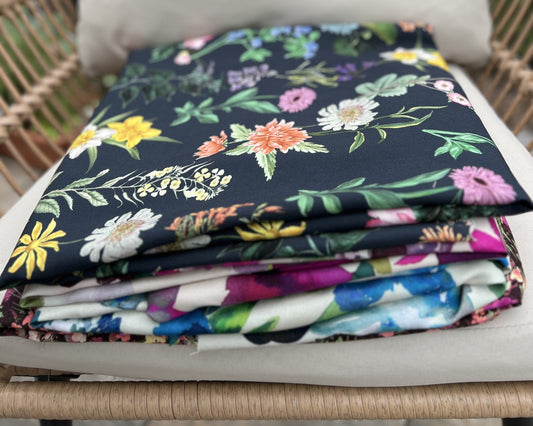
Since I love a challenge, with this post I decided to debunk the myth that wool is primarily a warm winter coat. I even went a step further and proposed the following:
Cycling in wool? YES!
Read why it's worth considering wool in the context of sportswear.
1. Introduction: Merino wool in sportswear.
In recent years, the sportswear industry has seen a significant increase in interest in merino wool as a high-performance material. This natural fiber, obtained from merino sheep, combines unique properties that meet the needs of both professional athletes and everyday people who enjoy moderate physical activity. Merino wool has gained popularity thanks to its unparalleled softness, breathability, and odor resistance, making it an ideal choice for a variety of activities, from intense workouts to leisurely walks. Its natural origin, biodegradability, and renewability further appeal to environmentally conscious consumers. More and more people are incorporating merino wool into their sportswear collections, demonstrating recognition of its value and potential in this industry. In this article, I will discuss the applications of different qualities of merino wool, namely ribbed (RIB) knits, interlock knits, and fleece, in the context of sportswear. I will present the key properties of merino wool, the characteristics of individual types of knitwear, their suitability for various sports and weather conditions, and compare the advantages and disadvantages of these qualities.
2. General properties of merino wool.
Merino wool possesses a number of properties that make it exceptionally suitable for use in sportswear. One of its key characteristics is its breathability and ability to wick moisture away . Merino wool fibers have the ability to absorb large amounts of water vapor and release it to the outside, ensuring dryness and comfort even during intense activity. Natural merino fibers actively wick moisture away from the skin, keeping it dry. Merino wool can absorb up to 35% of its own weight while maintaining a dry skin feel. Crucially, the fiber's surface remains dry, while moisture is transported to its core. The fiber's unique structure creates microscopic air pockets that effectively absorb water vapor. This dual nature of merino wool—hydrophobic on the outside and hygroscopic on the inside—allows it to effectively manage moisture, protecting against both external moisture and internal sweat buildup, which is crucial in changing weather conditions during athletic activity. The ability to absorb water vapour also helps reduce the amount of sweat remaining on the body, increasing overall comfort during exercise.
Another important property is thermoregulation . Merino wool is an active fiber that responds to changes in body temperature, providing thermal comfort. It keeps you warm in winter and cool in summer. How is this possible? Let me explain! The folded structure of the fibers creates air chambers that store body heat, providing insulation in cold conditions. Air acts as an insulating layer against both cold and heat. In warm environments, merino wool fabrics can be up to twice as cool to the touch as synthetic fabrics, as wool conducts heat away from the skin better. Additionally, moisture absorbed by the wool evaporates in warm air, creating a cooling effect. This natural ability to regulate temperature makes merino wool clothing versatile and suitable for year-round use, reducing the need for frequent layering during sports activities.
Merino wool is also naturally odor-resistant , which is a huge plus for sportswear. It also has antibacterial properties—the keratin contained in merino fibers breaks down bacteria responsible for unpleasant odors. This property is especially valuable for athletes during multi-day activities or when frequent washing is not possible.
Softness and comfort are other key advantages of merino wool. It is considered the softest and finest wool. The thin, superfine merino fibers (16.5–19.5 microns in diameter) are well below the itch threshold of human skin (25 microns). This makes merino wool clothing pleasant to the touch and non-irritating. The fineness of merino fibers gives them high elasticity, which translates into less skin contact and a feeling of softness and comfort. Merino wool conforms perfectly to the body thanks to the fibers' natural elasticity.
In addition to the properties mentioned above, merino wool offers a number of additional benefits . It is naturally biodegradable and renewable. It provides excellent UV protection, with a UV protection factor of 50! It is stain-resistant thanks to its natural protective layer. It is wrinkle-resistant due to its spiral fiber structure. It is lightweight and retains its shape. It has antistatic properties. It is flame-retardant. It is naturally elastic, allowing garments to stretch and return to their original shape. These additional characteristics further enhance merino wool's suitability for sportswear, contributing to its durability, ease of care, and environmental responsibility.
3. Merino interlock in sportswear.
Merino interlock knit fabric is characterized by its unique structure and properties . It is a double knit, a variation of rib knit (RIB), in which two rows of stitches are interwoven, one behind the other, creating a structure resembling two layers of knit fabric. This gives both sides of the knit an identical appearance. Interlock is created by interlacing two sets of rib knit fabrics. This construction makes interlock knit exceptionally strong and durable. It is characterized by good durability, stretchability, and drapeability. Compared to rib knit (RIB), interlock offers slightly less stretch but better ability to return to its original shape. It has a soft and smooth finish. It can be made from 100% merino wool or blends. It is available in various weights, which influences its thickness and thermal properties. Some merino wool interlock knit variants have the ability to stretch in four directions.
Thanks to its properties, merino interlock fabric is typically used in sportswear . It's ideal for both base and mid-layer applications. It's often used in leggings, trousers, and sweatshirts, suggesting its potential for creating more structured sportswear pieces. The versatility of interlock fabric in terms of weight and structure allows it to be used in a variety of sportswear layers, from next-to-skin comfort to outerwear structure.
4. Merino RIB in sportswear.
Merino RIB knit fabric is characterized primarily by its elasticity and structure . It provides significant stretch. This textured knit fabric provides elasticity, making it suitable for a variety of applications in sportswear . Merino RIB knit fabric is commonly used in thermal underwear and fitted sportswear, where elasticity and comfort are paramount.
5. Merino fleece in sportswear.
Fleece is used in sportswear as a top layer for colder conditions . Stretch isn't its main characteristic; it's considered a less stretchy knit, but it's an incredibly soft and lightweight material. A vest, a zip-up sweatshirt, or a lightweight jacket thrown over your back at the beginning of a workout will perfectly fulfill their functions of retaining heat while simultaneously wicking moisture away. Although fleece may be associated with winter clothing, hats, scarves, and gloves, it will find its place in your spring wardrobe as a sweatshirt or a vest, because, as we all know, April is a time for...
6. Comparison table of the properties of merino knitwear: RIB, interlock and fleece;
|
Property |
Merino RIB |
Merino Interlock |
Merino Fleece |
|
Structure |
Ribbed, elastic |
Ribbed, elastic Double knit fabric, connected rib eyelets |
Heavier, specialized knit fabric, often with a higher grammage |
|
Extensibility |
High, excellent extensibility and shape recovery |
Moderate, fits well |
Moderate |
|
Insulation |
Low to moderate |
Moderate |
High |
|
Breathability |
Moderate to high |
Moderate |
Moderate (may vary depending on weight) |
|
Durability |
All right |
Strong, durable |
Fine (may vary depending on weight and specific weave) |
|
Typical applications |
Fitted thermal underwear, t-shirts, long sleeves, leggings, scarves, hats |
Mid-layers, sweatshirts, leggings, more structured clothing |
Sweatshirts, vests, hats, scarves, gloves |
7. Advantages and disadvantages compared to other materials.
Although wool is often associated with winter, compared to other materials like cotton , it fares significantly better in sportswear. Merino wool wicks moisture away better, keeping athletes dry, unlike cotton, which retains moisture. It regulates body temperature, keeping them warm in winter and cool in summer, something cotton cannot do as effectively. Merino wool is odor-resistant, while cotton quickly develops an unpleasant odor when wet. Wool has a rough surface that traps insulating warm air, unlike the smooth surface of linen fibers (often compared to cotton for their natural origins), which are less effective at trapping warm air.
8. Care tips for merino wool sportswear.
Proper care is crucial for maintaining the properties and extending the life of merino wool sportswear. I've mentioned this many times, but it's important, so I'll mention it again. It's recommended to wash your clothes inside out before putting them in the washing machine. Wash on a gentle cycle in cold or lukewarm water (not exceeding 30-40°C), using a mild detergent or a special wool detergent . The worst sin you can commit when caring for wool is using bleach! Merino wool clothing is best dried flat to retain its shape. Do not dry above 30°C. Also, remember that some more delicate items may require hand washing .
9. Summary.
In summary, the information I've tried to include in this post has one goal: to convince you that merino interlock, RIB, and fleece fabrics offer different properties and are suitable for use in sportswear depending on your needs and conditions. Merino interlock fabric is versatile, providing a balance of warmth, durability, and smoothness, ideal for base layers and some mid-layers in moderate to cool conditions. Merino RIB fabric, thanks to its high elasticity, is perfect for fitted base layers and clothing requiring freedom of movement, such as running tights and cycling jerseys. Fleece, on the other hand, with its heavier weight, is the best choice for sweatshirts, vests, or neck warmers.
When designing sportswear, it's important to consider the advantages and disadvantages of merino wool compared to other materials. The final choice of merino wool quality should depend on the type of sporting activity and weather conditions. I hope that after reading this post, combining wool with sports has become an obvious and natural choice for you. I wish you all to go the extra mile with every physical activity this season, preferably dressed in merino!